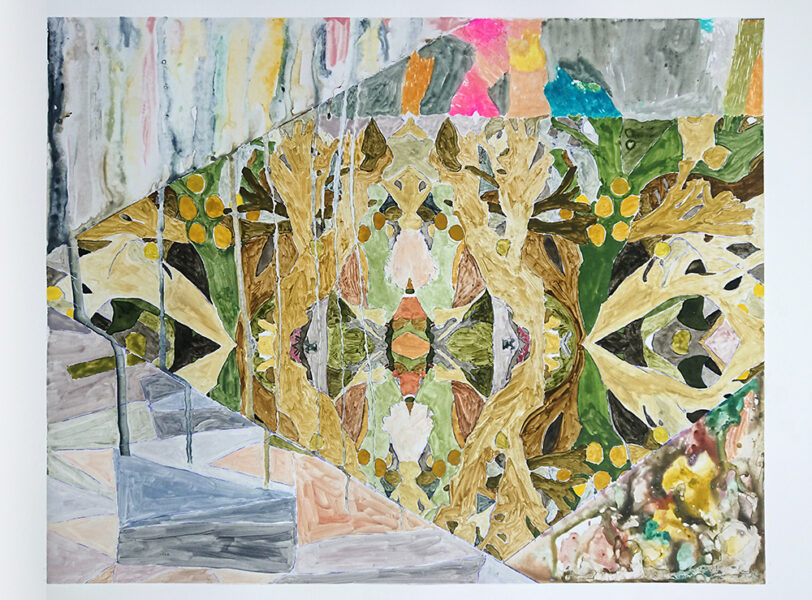
RAINFOREST OF THE SEA (element 53)
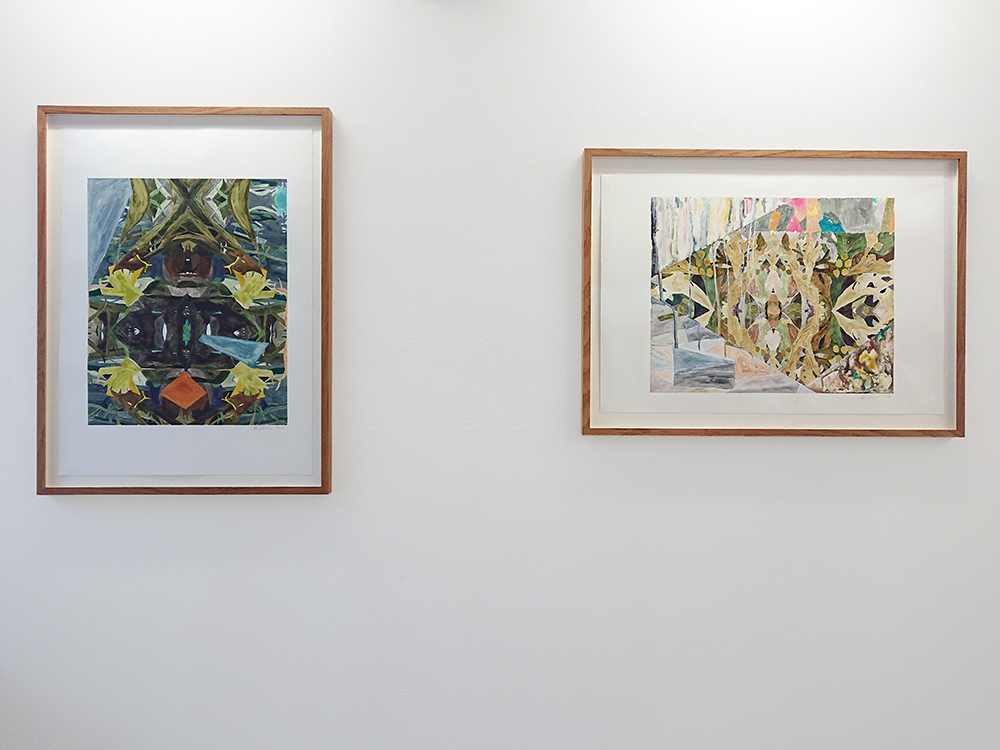
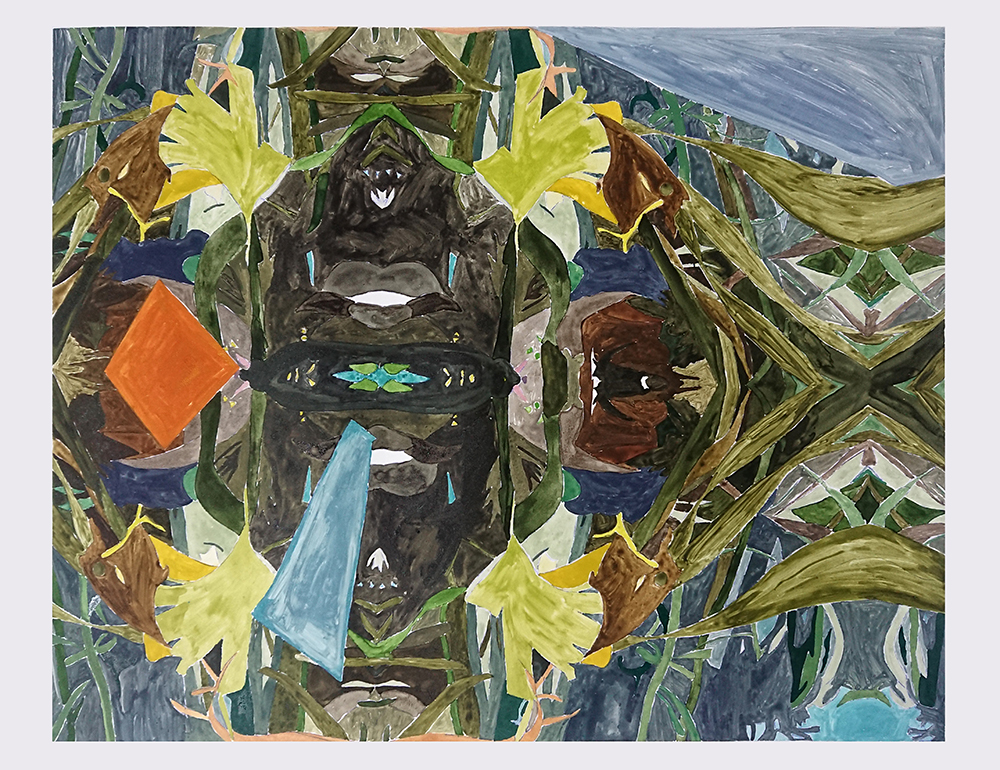
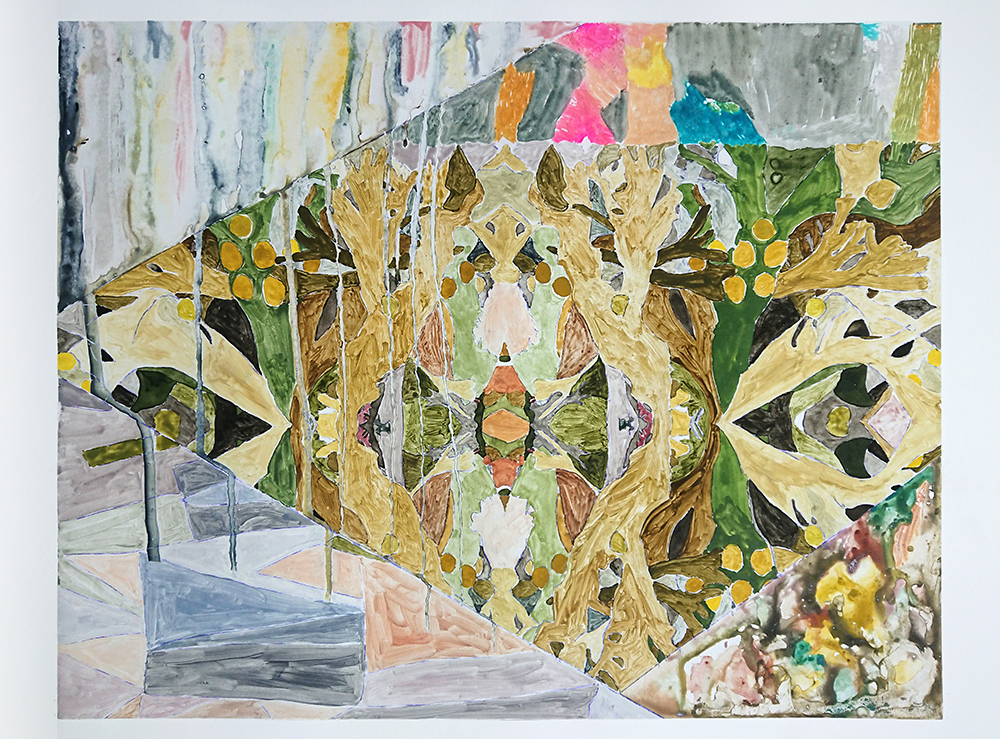
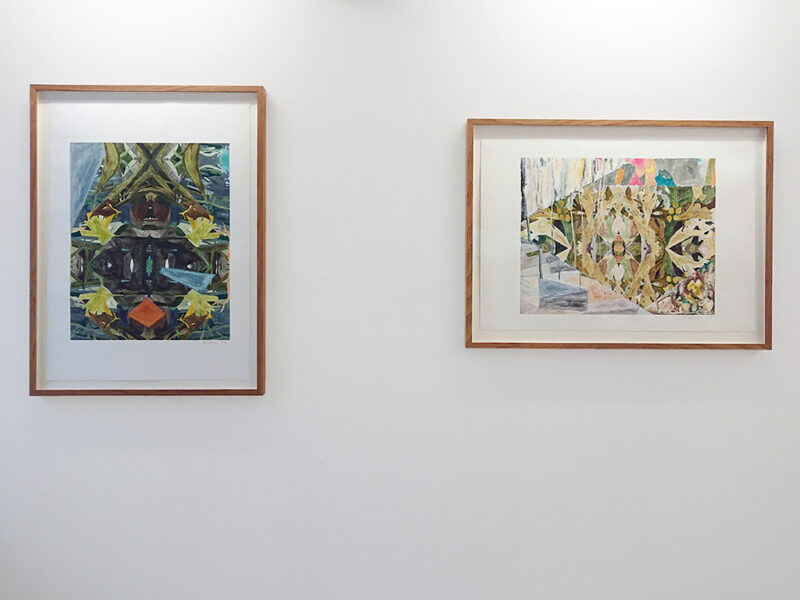
This duo work portrays two species of kelp: Laminaria digitata and bladderwrack (Fucus vesiculosus). Laminaria digitata is a tough, leathery, dark-brown seaweed capable of growing two to three metres in length, while bladderwrack functions as an “ecosystem engineer,” shaping its surroundings through its physical presence and creating habitats that sustain multiple forms of marine life.
Both seaweeds played a pivotal role in the discovery of iodine (element 53) in 1811 by the French chemist Bernard Courtois. While processing ash from burnt kelp, then used to extract soda and potash for glass and soap production, Courtois observed a violet vapor rising from the residue. This moment revealed a new element and linked coastal ecologies to the emergence of modern chemistry. From the 1600s onward, as part of the Northern European kelp industry, these seaweeds were valued for their capacity to yield iodine, soda, and potash — materials that quietly shaped scientific and industrial development. Iodine entered chemistry and medicine as a substance of care and revelation, while soda and potash became foundational to the making of glass, soap, and fertile ground. Through these transformations, kelp carried marine life into laboratories and everyday rituals, binding ocean ecologies to the material language of modern society.
Today, kelp remains vital. In an era of ecological instability, kelp stands as both living infrastructure and ecological ally, quietly working at the threshold between climate, economy, and care. Kelp forests form one of the ocean’s most productive ecosystems. Like terrestrial rainforests, they absorb carbon, support biodiversity, and regulate their environment, while also protecting coastlines from erosion and supporting food systems, pharmaceuticals, and regenerative materials. In their submerged architectures, kelp forests host diverse communities of sea plants, fish, and crustaceans, generating self-sustaining, biodiverse environments shaped by interdependence, rhythm, and exchange.