ATMOSPHERIC AGRICULTURE


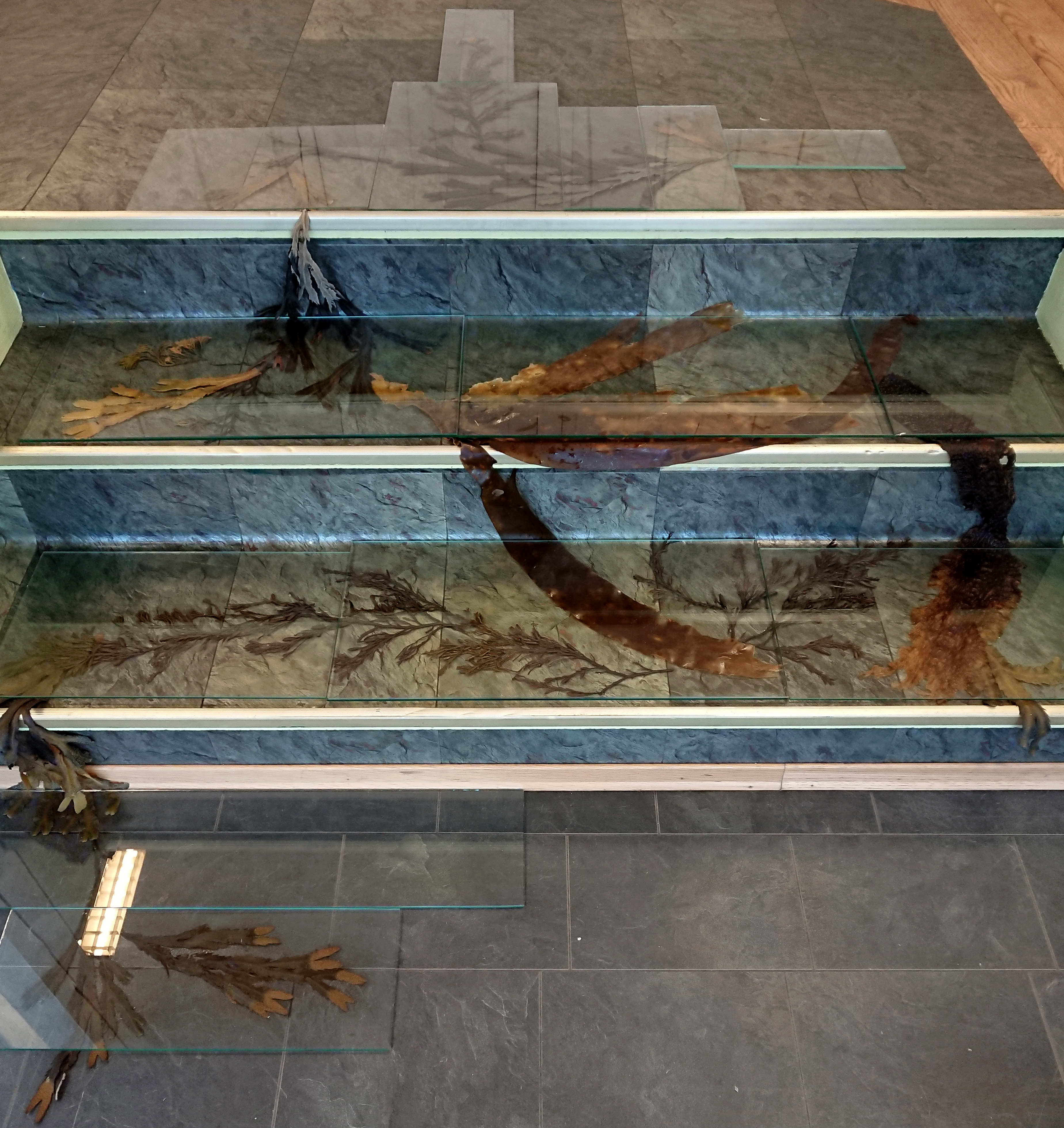


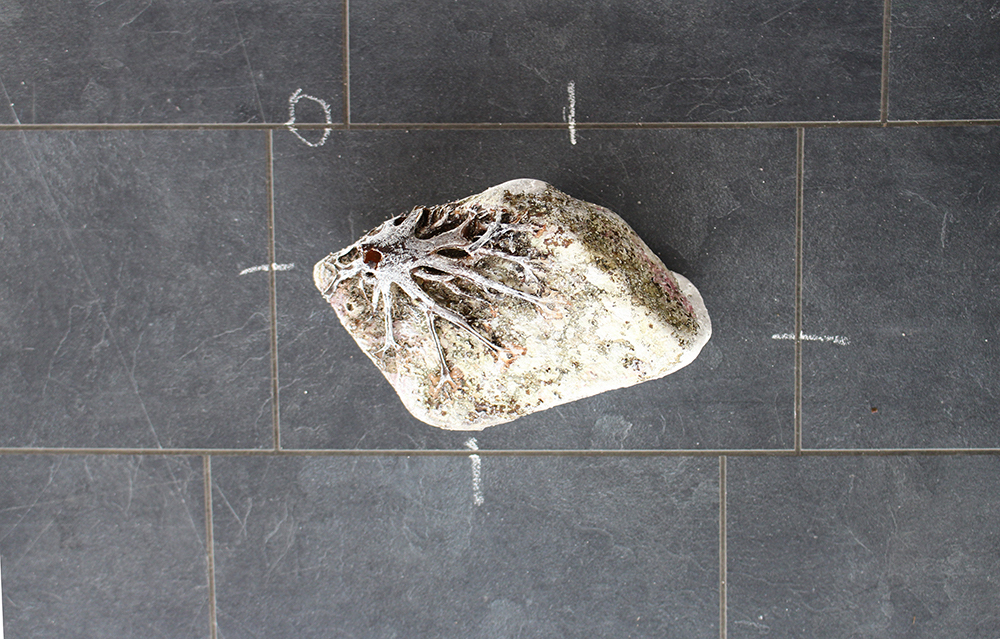




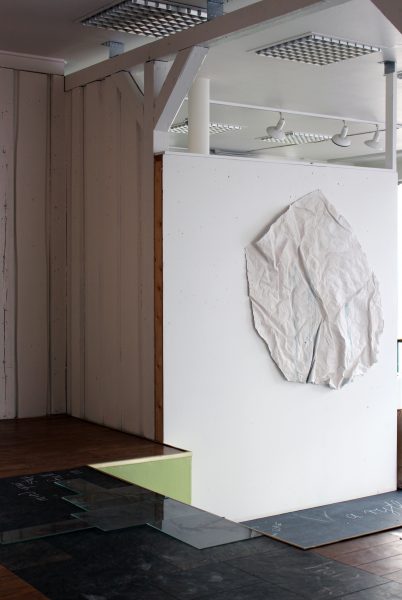


The project is based on site specific research focusing on the performative qualities of different kinds of Kelp based on a two-day field study of underwater kelp forests using drones and through hands-on exploration of low-impact harvesting methods in collaboration with a marine biologist as part of the Lofotoen International Art Festival, September, 2019.
Kelp grows in underwater kelp forests, but does not have any roots. Kelp and other algae belong to a separate kingdom of life from plants, called protists. Kelp needs sunlight to photosynthesise and convert carbon dioxide into sugars. Unlike plants, however, kelp does not use roots to extract nutrients from the soil. It is a kind of atmospheric crop, and can extract the needed nutrients directly from the water around it.
Kelp is a keystone organism, which means its role in the ecosystem is so vital, that without it the ecosystem would collapse. But due to climate change and elevated sea temperatures, the environment for kelp to successfully grow in is at risk. This poses a huge threat to biodiversity within the ocean.
Back to front